AccesS meet in Gabrovo to Advance Pilot Implementation and Inclusive Digital Solutions
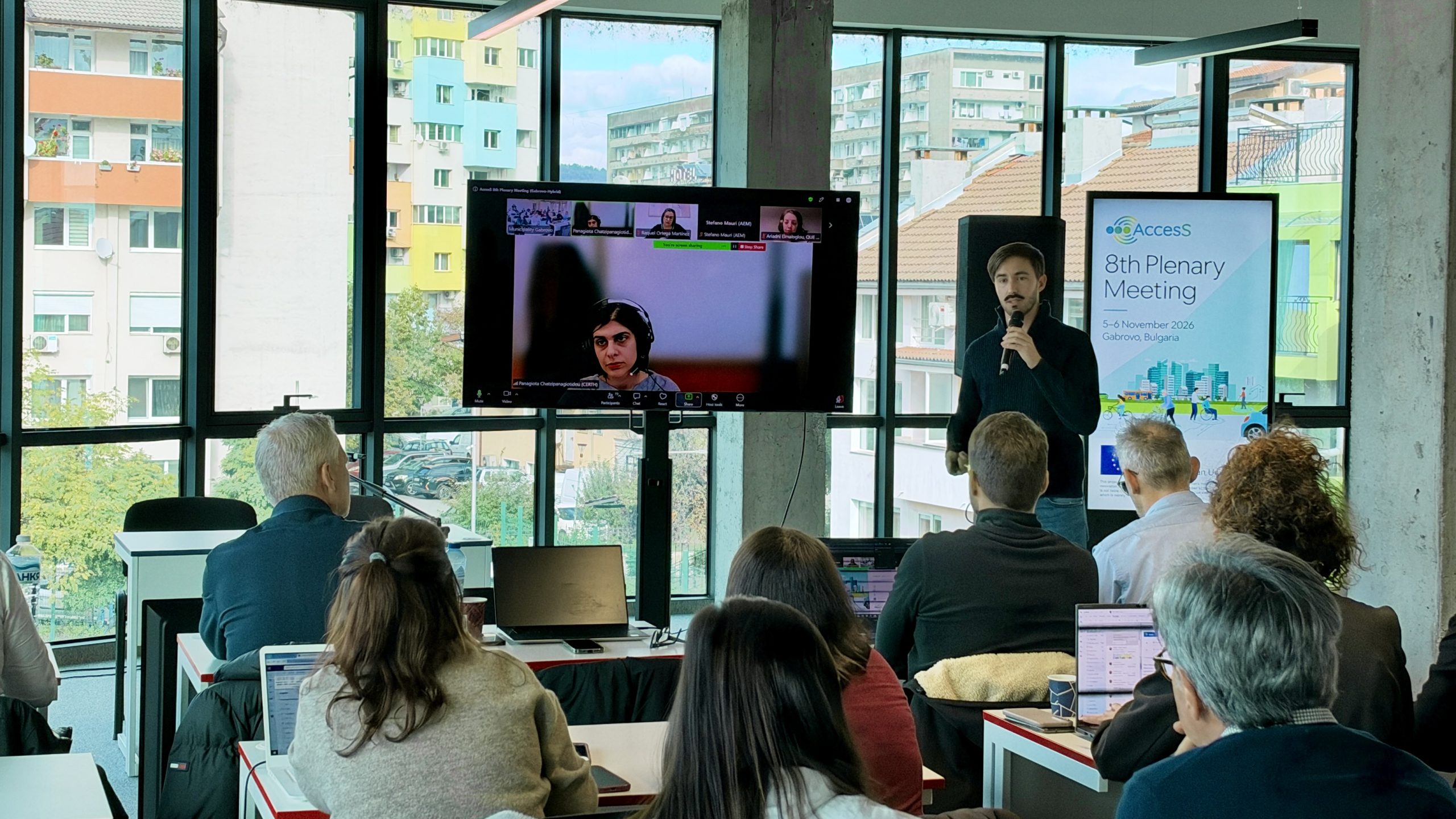
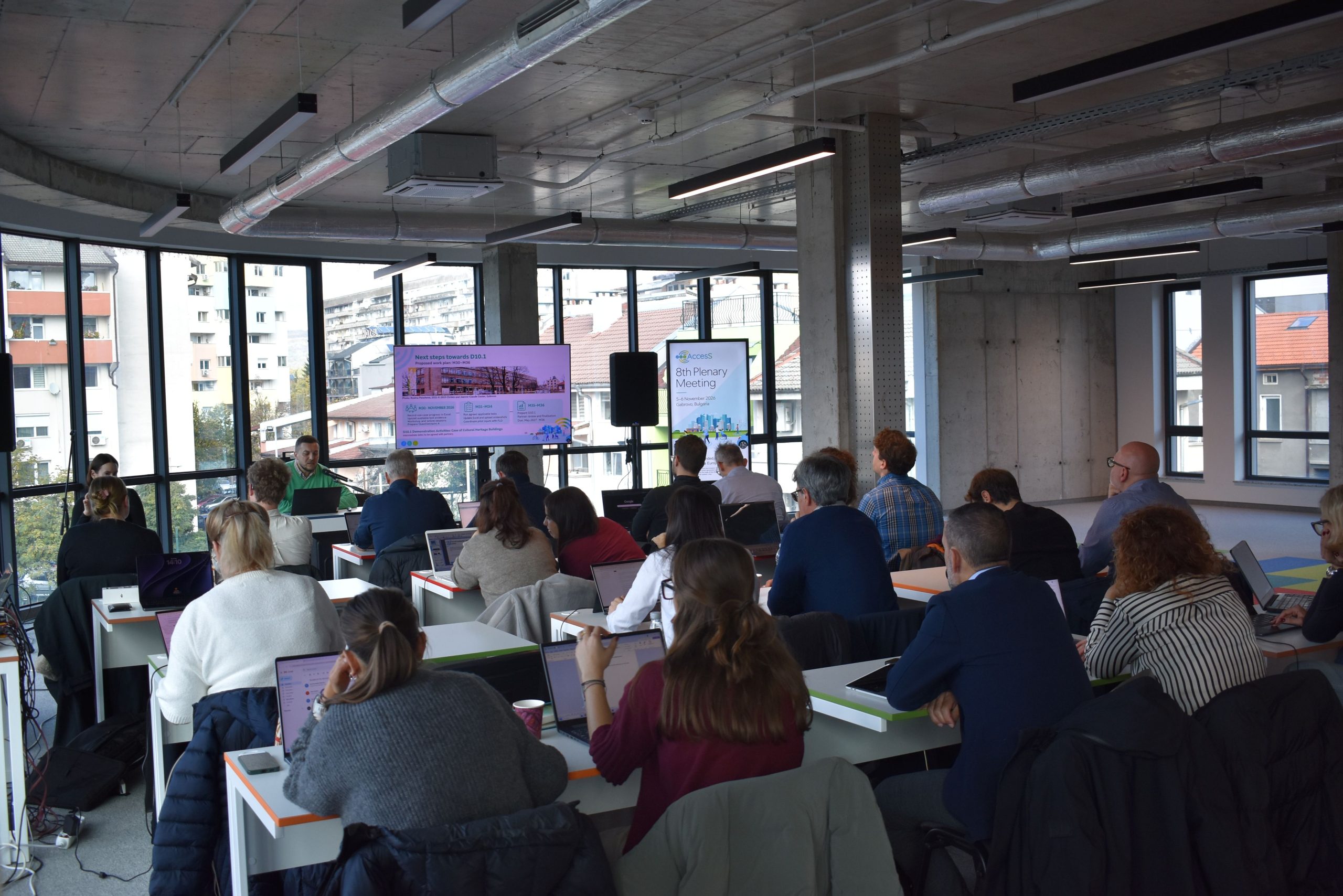
On 5–6 November 2026, the AccesS consortium gathered in Gabrovo, Bulgaria, for its 8th Plenary Meeting to review progress, discuss upcoming activities and strengthen collaboration towards more accessible, inclusive and sustainable built environments
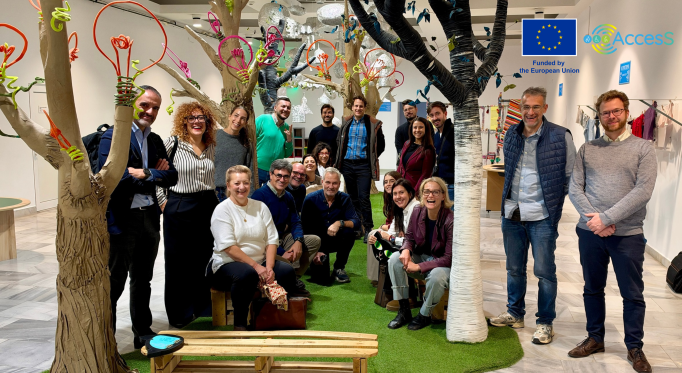
The two-day meeting provided an opportunity for partners to exchange updates on the different areas of the project, with particular attention to the deployment and evaluation of pilot cases, the integration of the AccesS Suite and the long-term exploitation of its results. As the project progresses towards its final implementation phase, discussions focused on ensuring that the digital solutions developed can respond effectively to real-world accessibility challenges.
Reviewing progress and preparing for the next stages
The first day focused on project coordination, communication and dissemination, and the implementation of the AccesS pilot cases. Partners reviewed the status of ongoing activities and upcoming deliverables, identifying priorities and actions for the following months.
A significant part of the discussions was dedicated to the deployment of the AccesS solutions across the different demonstration sites and the methodologies for evaluating their performance and impact. These pilot activities play an essential role in assessing how the project’s innovative digital tools can contribute to improving accessibility, usability and sustainability in different types of buildings and urban environments.
The programme also addressed opportunities for collaboration with other European projects and initiatives, supporting the dissemination of AccesS results and encouraging knowledge exchange across the wider accessibility and sustainable construction communities.
Exploring the AccesS solutions at the Gabrovo pilot site
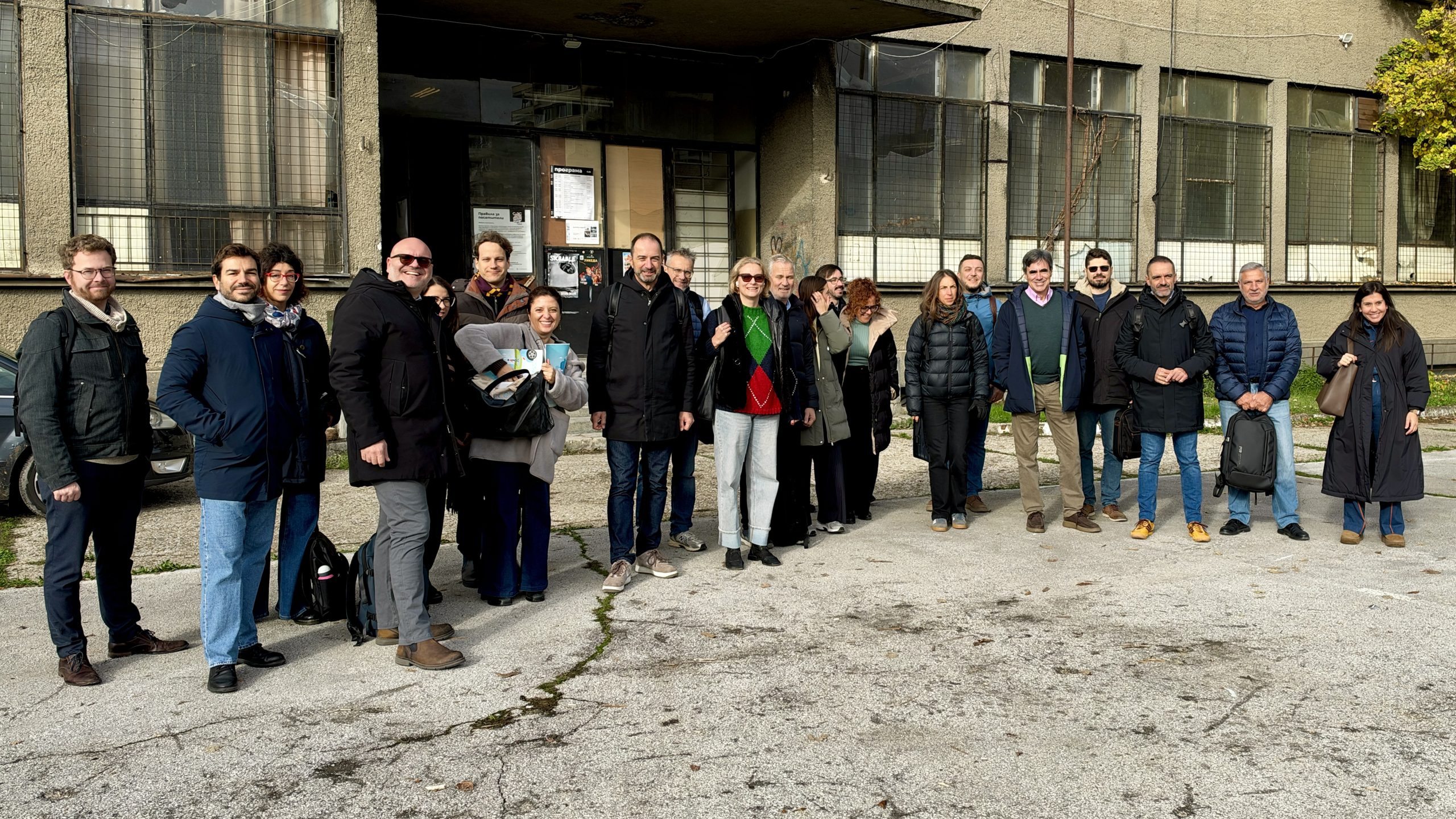
One of the highlights of the meeting was the visit to the Christo and Jeanne-Claude Center, one of the AccesS demonstration sites, located in Gabrovo.
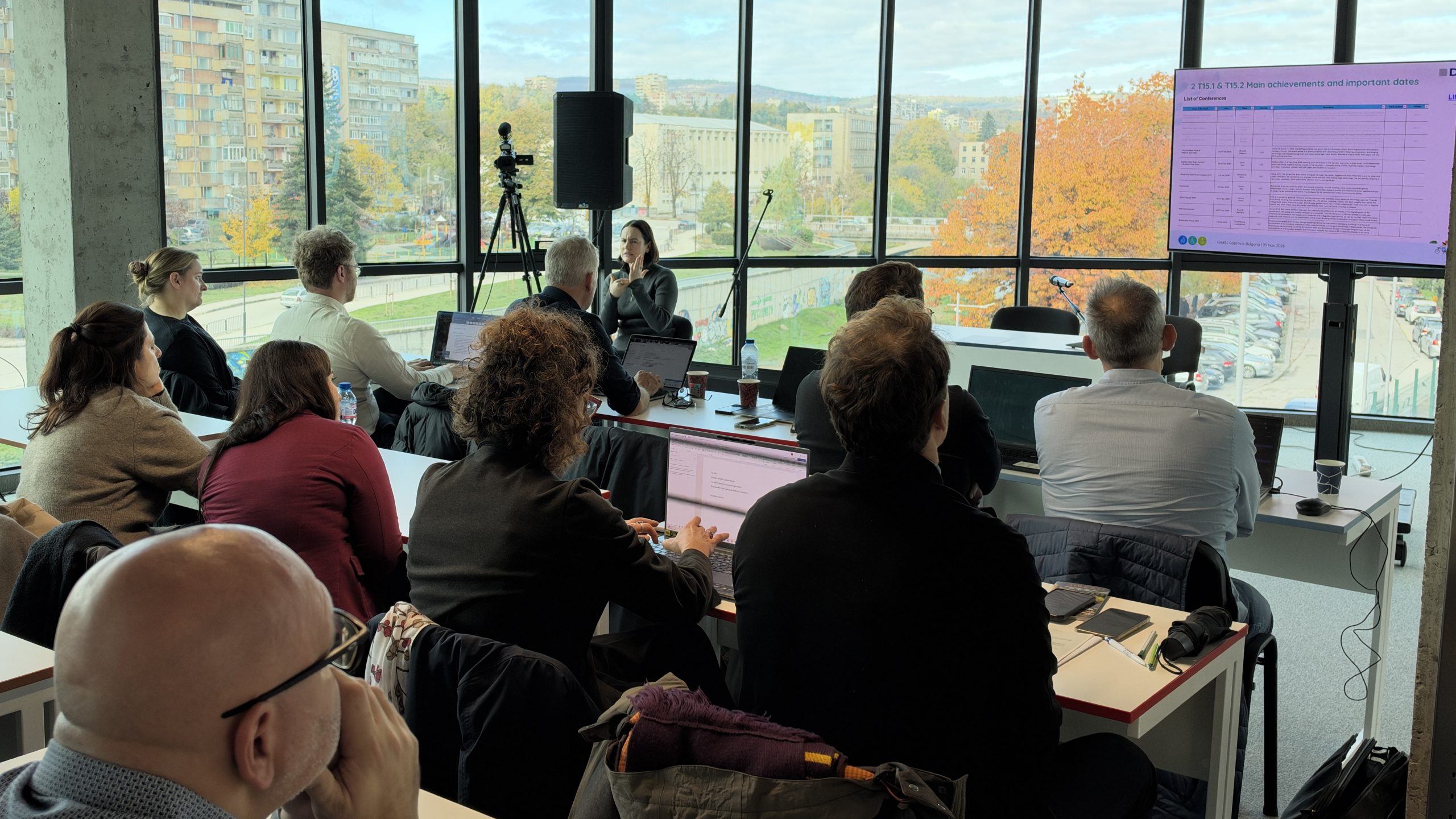
The visit was complemented by a dedicated workshop on the second day, focusing on the application of the AccesS Suite and its digital tools to the Center’s case study. Partners examined how the solutions developed within the project could support the analysis of conceptual designs for the transformation and adaptation of the former Textile Technical School building
This practical approach provided an opportunity to connect the project’s technological developments with the specific requirements of an existing building, exploring how accessibility considerations can be incorporated into renovation and adaptation processes.
By bringing together technical expertise and real-world demonstration scenarios, the AccesS project aims to support more informed design decisions and promote environments that better respond to the needs of people with different abilities.
Supporting the adoption and long-term impact of AccesS
The second day also addressed several activities aimed at maximizing the impact of the project’s results beyond its implementation period. These included business models for integrating accessibility into renovation and construction, educational resources to raise awareness of accessibility and inclusiveness, and collaboration with the Built4People network.
Partners also reviewed the integration and testing of the AccesS Inclusive Toolbox, alongside exploitation strategies, intellectual property management and post-project sustainability.
These activities are essential to facilitating the future uptake of the AccesS solutions by professionals, organisations and other stakeholders involved in the design, management and renovation of the built environment.
Towards more accessible and sustainable environments
The 8th Plenary Meeting represented another important step in the implementation of AccesS, reinforcing collaboration among partners and providing a valuable opportunity to connect technological innovation with practical accessibility challenges.
As the consortium continues its work, attention is increasingly turning towards the deployment, assessment and exploitation of the digital tools developed, with the shared objective of making accessibility and inclusiveness integral elements of the built environment.
About AccesS
AccesS (Enhancing Accessibility and Sustainability in Smart Cities and Smart Buildings: The Universal Accessibility Suite Initiative) is a Horizon Europe-funded project dedicated to developing innovative digital tools and solutions that improve accessibility, inclusivity and sustainability in smart cities and buildings.
Through collaboration among European partners and demonstration activities in real-world environments, AccesS seeks to contribute to the development of more inclusive, accessible and user-centred spaces.
More information: https://www.euproject-access.eu/en/
Funded by the European Union. Views and opinions expressed are however those of the author(s) only and do not necessarily reflect those of the European Union or the European Climate, Infrastructure and Environment Executive Agency (CINEA). Neither the European Union nor the granting authority can be held responsible for them.
Compartir post:
Noticias relacionadas
CETEM takes part in Green Venture Bridge, a Horizon Europe initiative designed to link innovation with sustainable investment

Supporting Women Over 45 to Thrive in a Changing European Labor Market: Updates from the HERA Project