

CETEM hosts the final event of the European NewEcoSmart project, focusing on the green and digital transition in rural areas.
Today, at CETEM, we celebrated the final event of #NewEcoSmart, a project that promotes the green and digital transition in rural areas.

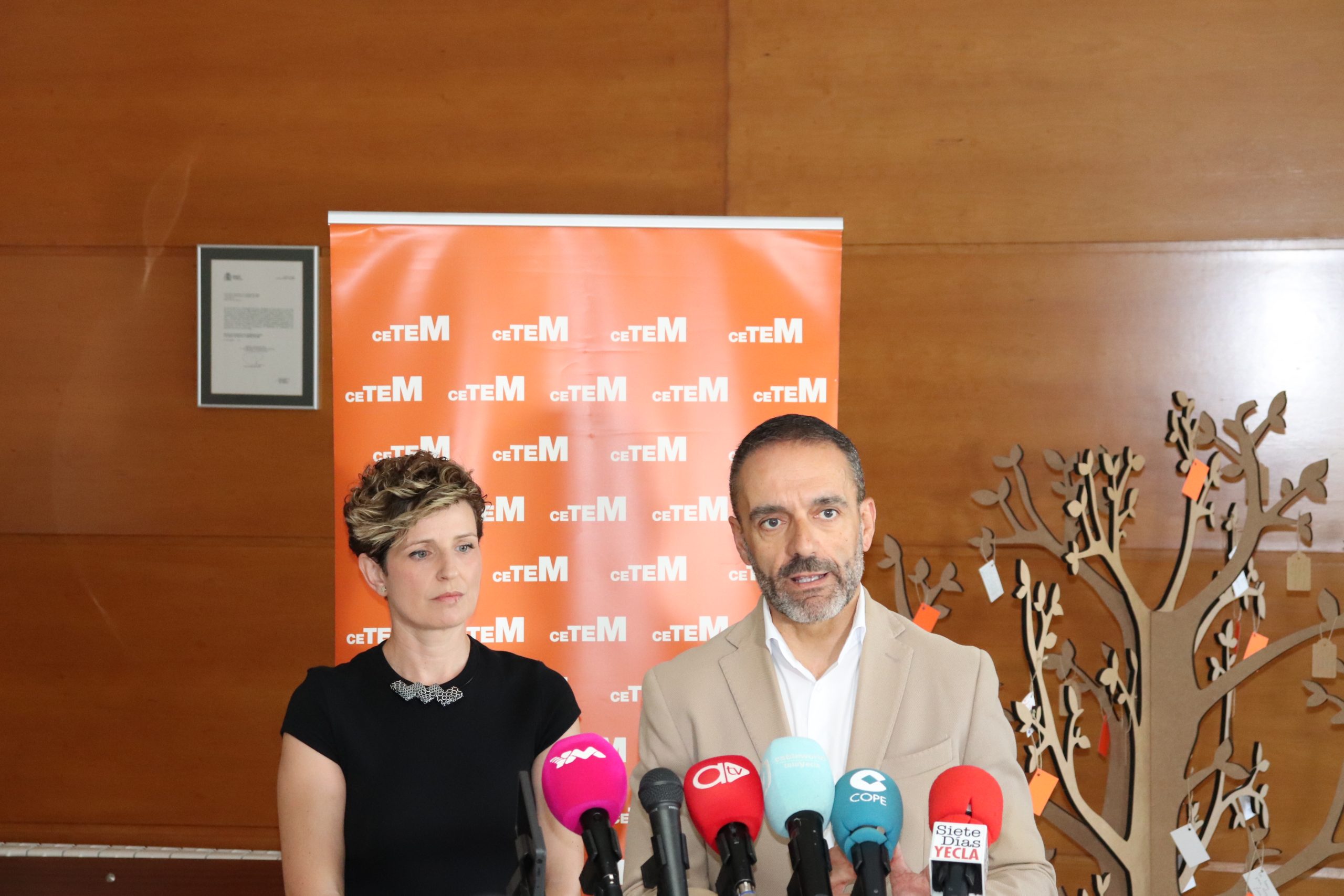
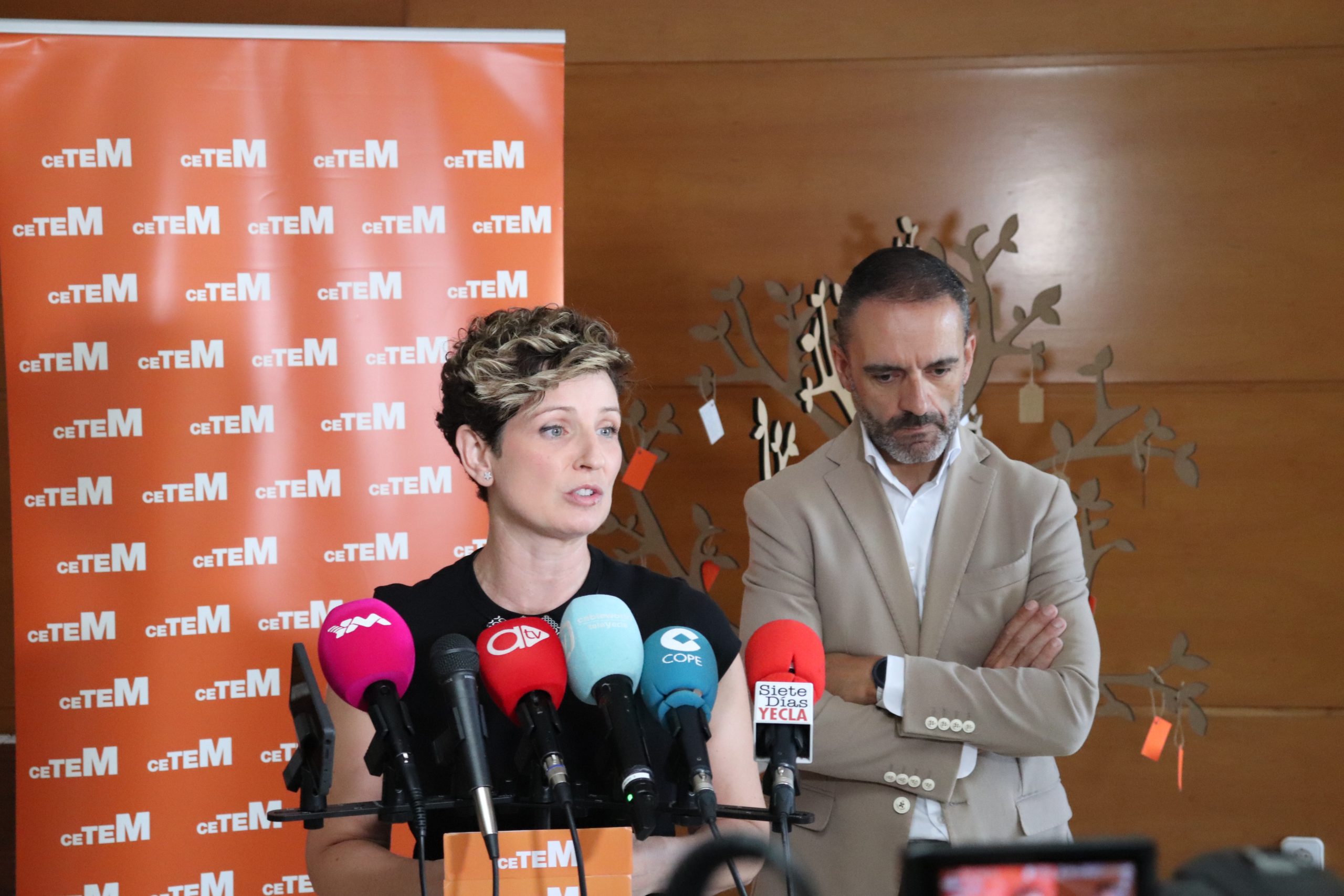
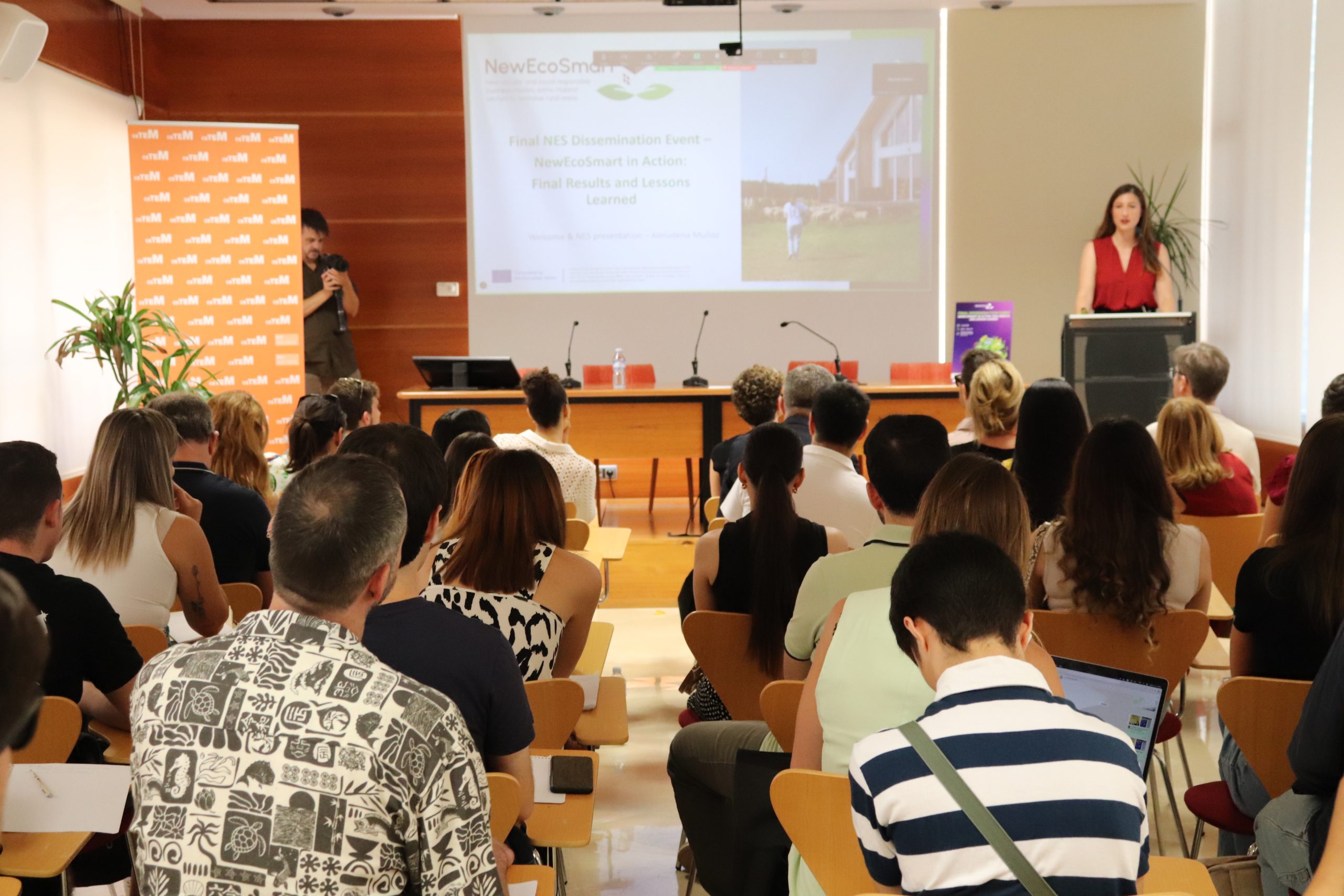
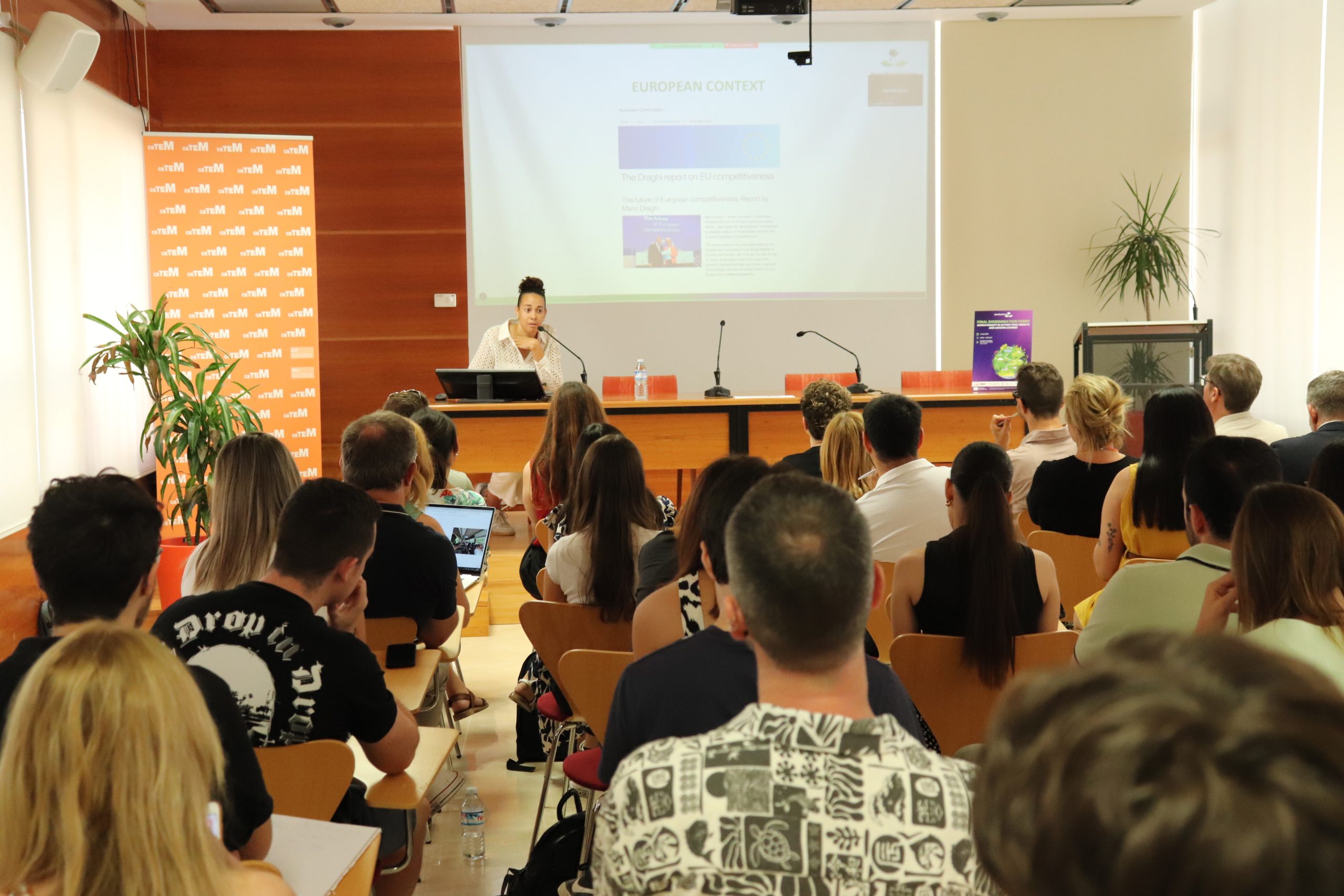
This morning, the Furniture and Wood Technology Center (CETEM) hosted the final event of the European NewEcoSmart (NES) project, an initiative that has promoted the green and digital transition in rural areas, with a special focus on training for adults over 45. The event, held in a hybrid format, brought together European experts, institutional representatives, and participating entities in the project in Yecla.
The event was opened by the director of CETEM, José Francisco Puche, and the Councilor for New Technologies, Economic Dynamization and Development, Youth and Tourism of the Yecla City Council, María Isabel Pérez, who highlighted the project’s impact and the need to continue promoting inclusive innovation in rural areas.
During the event, the project’s main results were presented, including more than 20 training modules in five languages on the circular economy, green entrepreneurship, and digital security; a microlearning app with short, adaptable content; and a self-assessment tool to measure green and digital skills. In addition, local pilot projects were carried out in Spain, Portugal, and Italy, and a European open call was launched, expanding the collaborative network. The project also promoted participatory methodologies to strengthen social innovation and citizen engagement, as well as open educational resources.
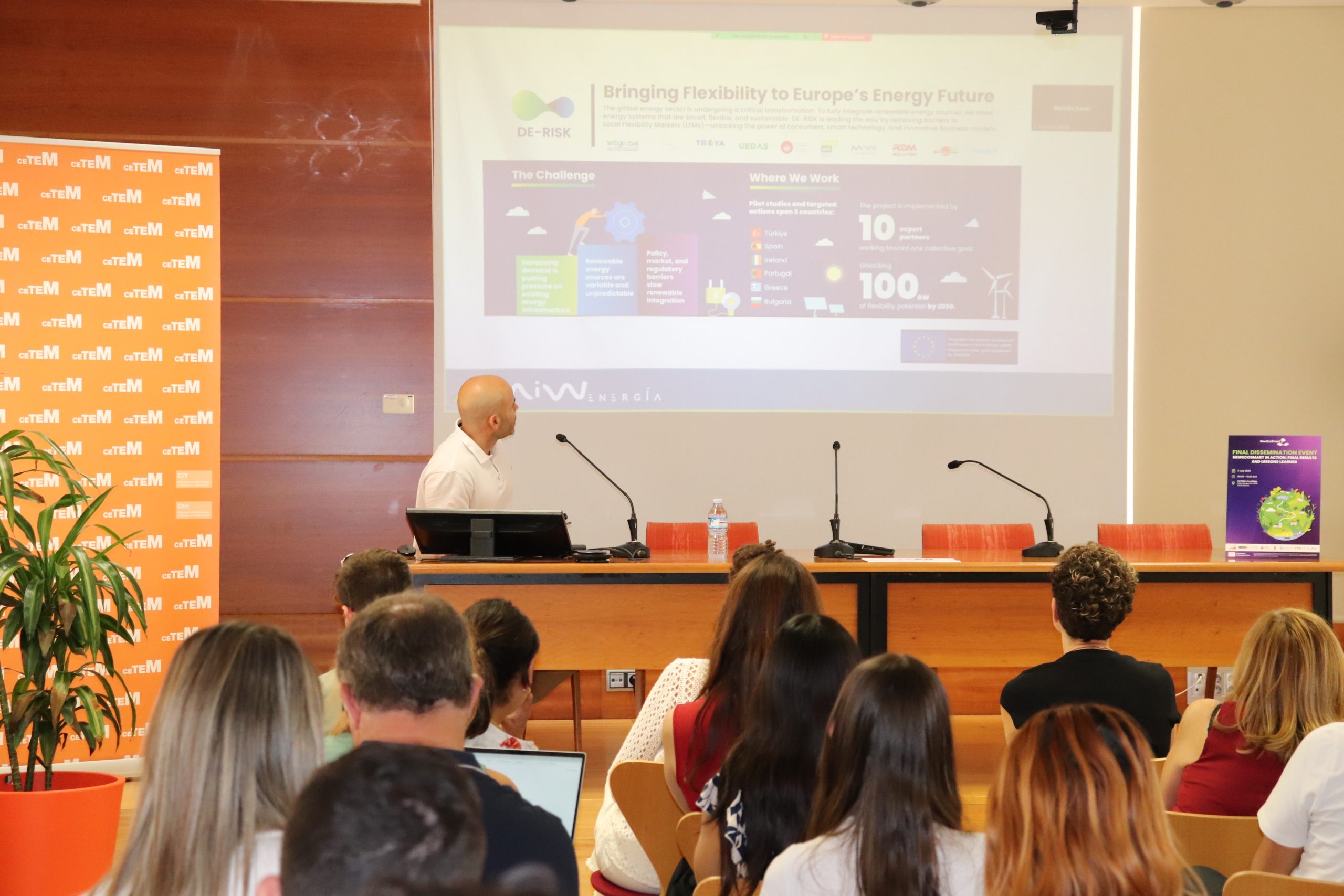
The event featured highly interesting presentations by professionals and organizations working in the field of sustainability and innovation. James Harris, from Sancal Diseño, presented his experience integrating sustainability into the furniture sector; Miguel Miñano, from MIWenergia, showcased innovative energy solutions for consumers and businesses; and Estelle Giacomi, from RedEco, addressed a comprehensive climate mitigation plan. Several European projects related to the digital and circular transition were also presented, such as Circler (CETEM), FITT-NESS (University of Porto), and ENDURANCE (AMUEBLA). María José Santofimia, from INWIRE, explained the advantages of participating in open calls beyond the scope of the projects. The event concluded with a roundtable discussion on the importance of training in the dual green and digital transition and citizen engagement, with representatives from AD ELO, the University of Porto, the University of Naples (UNINA), SHINE, and the Yecla City Council.
This event served as a meeting point for reflection on the key role of training, sustainability, and European collaboration in the social and economic transformation of rural environments.
Compartir post:
Noticias relacionadas
The StreetRevival project holds its launch meeting in Thessaloniki
The DRUMS project is beginning the validation of its training resources with a pilot scheme led by a pilot scheme