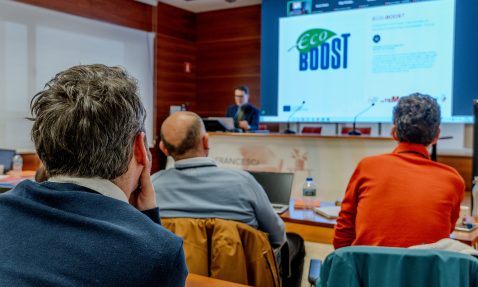

The MASTERY project brings together trainers in green skills at CETEM for the launch of its pilot phase
At this meeting, the approach to the project’s training courses was presented; these will focus on circular design strategies, waste and material reduction, and circular, green and socially responsible public procurement
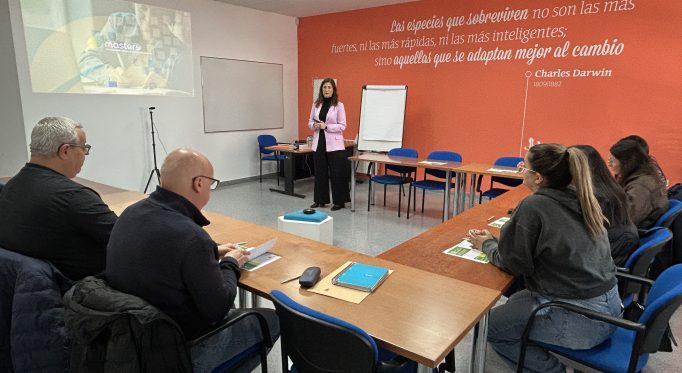
On Monday 16 March, CETEM’s premises hosted a session for trainers as part of the European MASTERY project – Micro-credentials Empowering Sustainable Skills, an initiative funded by the Erasmus+ programme which aims to develop and test micro-credentials focused on key green skills for the transition to a circular and sustainable economy..
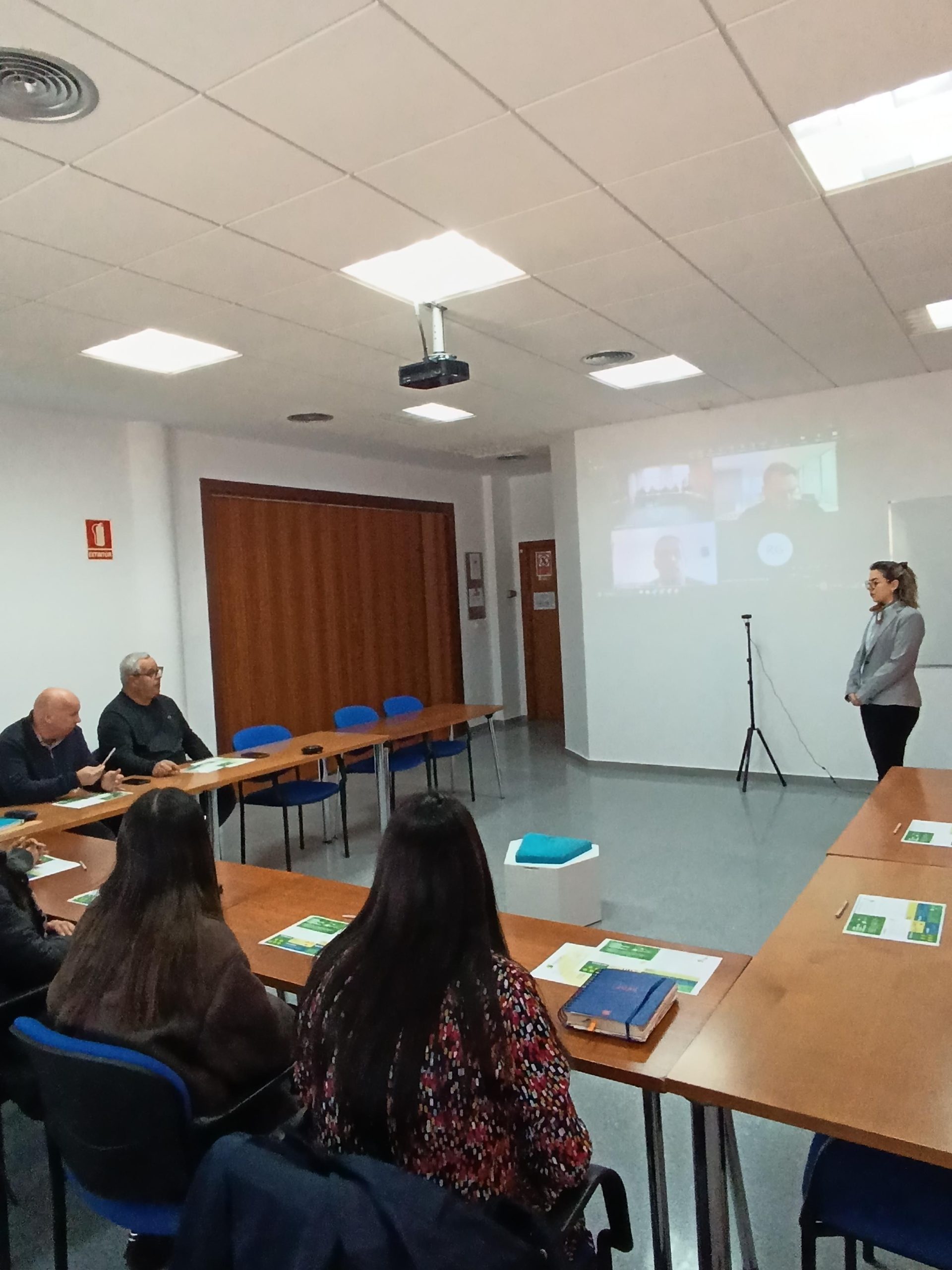
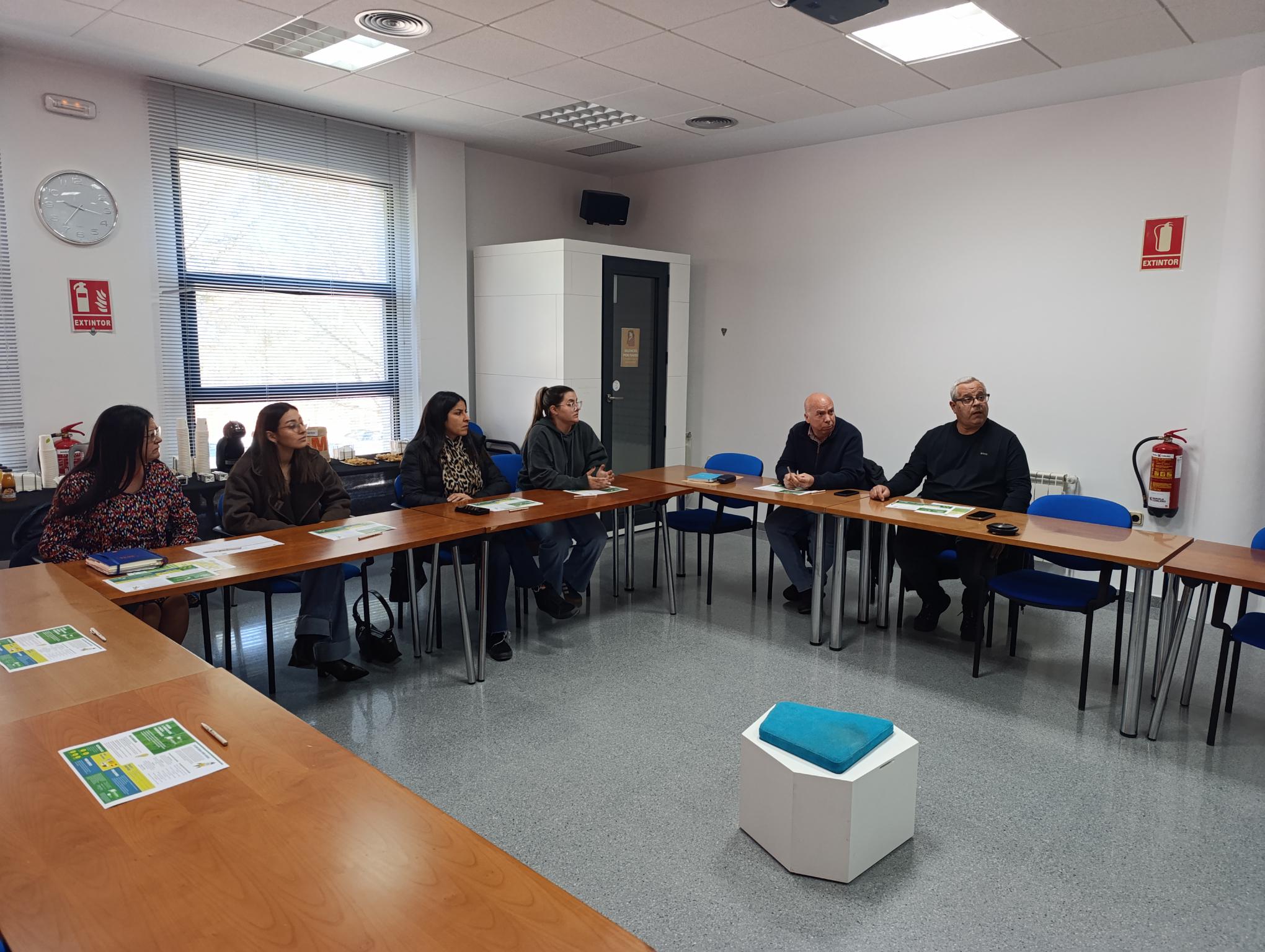
The event, organised as a launch for the pilot phase of the project, was held in a hybrid format at CETEM’s premises and was supported by AMUEBLA, one of the partners in this European initiative. In total, six professionals from the education and training sector took part, representing IES Castillo Puche, CIFP Tony Gallardo, the Yecla Red Cross and Euroformac.
During the session, the main objectives of the MASTERY project were presented, along with the approach of the training courses to be piloted in the coming months, which focus on three key green skills:
- Cradle-to-Cradle design (GS4): Circular design strategies in which products are designed to be fully reused.
- Waste and material reduction (GS5).
- Circular, green and socially responsible public procurement (GS10).
The meeting also explained how micro-credentials work: a European system for certifying learning that recognises specific skills acquired through short, specialised training courses, thereby enhancing students’ employability and facilitating the recognition of skills in the labour market.
The session also included an open discussion with participants, which provided an opportunity to exchange views on the implementation of the courses and explore possible ways of collaborating to trial them with students over the coming months. This dialogue proved particularly useful in identifying needs and adapting the training content to the realities of schools.
This activity marks the start of the pilot phase of the MASTERY project, which will run from April to June, during which time the courses will be tested with students and the associated micro-credential system will be evaluated. Through this, the project aims to contribute to the development of new training and skills certification tools that support the green transition in Europe.
Compartir post:
Noticias relacionadas
The INSET project consortium meets in Sassuolo
Improving training in the furniture and woodworking sector: the first newsletter from the ShiftVET project is here